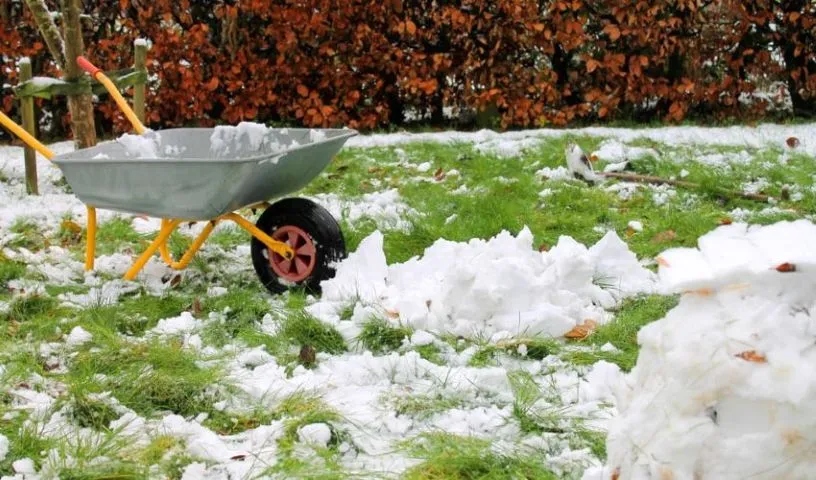
Care for your lawn this winter with clear, step-by-step tasks that ensure healthy turf come spring; you’ll learn proper mowing, aeration, fertilization, and snow-management techniques backed by Smith Brothers Services, Smith Brothers Landscape, and Smith Brothers Tree Services, so you can protect roots, minimize pests, and plan timely spring repairs to get a lush, green yard.
Understanding Your Lawn Type

Identifying whether your yard is dominated by cool- or warm-season species guides winter steps like timing of fertilization, overseeding and mower height; cool-season grasses thrive in USDA zones 3-7 while warm-season grasses dominate zones 8-10. You should note species-tall fescue, Kentucky bluegrass, Bermuda, Zoysia-to set precise actions, and use local pros such as Smith Brothers Services or Smith Brothers Landscape for soil tests and site-specific plans.
Cool-Season Grasses
If your lawn is tall fescue, Kentucky bluegrass or perennial ryegrass, plan heavier fall inputs: apply about 1 lb N/1,000 sq ft in early fall and another 0.5-1 lb in late fall, mow at 2.5-3.5″ until growth slows, and overseed thin areas at rates of 4-8 lb/1,000 sq ft for fescue or 2-4 lb/1,000 sq ft for bluegrass. Aerate compacted soil in September-October for best root development.
Warm-Season Grasses
Warm-season types like Bermuda, Zoysia, St. Augustine and centipede green up in late spring and tolerate heat to 100°F; you should apply nitrogen starting at green-up, roughly 0.5-1 lb N/1,000 sq ft every 6-8 weeks for a total of 2-4 lb/1,000 per season, and keep mowing low-Bermuda 1-2″, Zoysia 1-2.5″, St. Augustine 2.5-4″. Smith Brothers Landscape can help set exact schedules by species and zone.
For more detail, plan core aeration and dethatching in late spring just before rapid growth if thatch exceeds 0.5″, and irrigate to supply about 1″ of water per week during summer droughts. You can overseed Bermuda with perennial rye in fall for winter color, but avoid spring overseeding that delays green-up; if trees restrict roots or cause compaction, coordinate with Smith Brothers Tree Services to protect turf and root systems.
Preparing Your Lawn for Winter
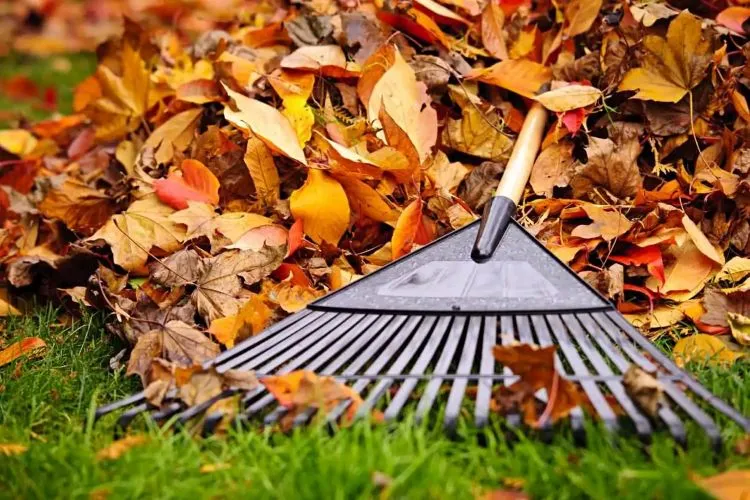
Tackle leaf and debris removal weekly to prevent a mat that blocks sunlight and encourages disease; keep layers under 1/4 inch. Drain and winterize irrigation, set controllers off below 40°F, and apply a late‑season fertilizer formulated around 0.5-1 lb N and 2-4 lb K2O per 1,000 sq ft to strengthen roots. For larger properties or soil testing, Smith Brothers Landscape, Smith Brothers Services and Smith Brothers Tree Services offer coordinated fall cleanups and prep packages.
Final Mowing Techniques
Cut cool‑season lawns to 2.5-3 inches for the last mow to balance insulation and reduce matting, avoiding scalping and limiting removal to one‑third of blade height. Keep blades razor sharp, mow only when dry to prevent clumping, bag diseased clippings, and schedule the final mow 7-14 days before typical hard freezes so crowns recover.
Aeration and Overseeding
Perform core aeration in fall when soil is moist and temps are 50-65°F, extracting 2-4 inch cores spaced about 2-4 inches apart, then overseed immediately: 3-5 lbs/1,000 sq ft for Kentucky bluegrass, 5-10 lbs/1,000 sq ft for tall fescue. For compacted sites or large areas, contract Smith Brothers Services to ensure proper equipment and seeding rates.
After overseeding, keep the seedbed evenly moist with light watering 2-3 times daily (about 0.1-0.15 inch total) until germination in 7-21 days, then switch to deeper, less frequent irrigations; apply a starter fertilizer near 0.5 lb N/1,000 sq ft and topdress 1/8-1/4 inch compost for improved seed‑to‑soil contact. If tree roots or heavy shade will limit establishment, coordinate with Smith Brothers Tree Services to address canopy and root issues before seeding.
Fertilizing for Winter Health

To boost root reserves before dormancy, apply a late-season, slow-release formula delivering about 0.5-1.0 lb nitrogen per 1,000 sq ft and a higher potassium ratio (for example 0-0-20) 2-4 weeks before the first hard freeze; you can follow practical schedules in Winter Lawn Prep: A Comprehensive Guide. You can also hire professionals like Smith Brothers Services for precise soil tests and tailored blends.
Choosing the Right Fertilizer
Use a slow-release granular fertilizer (sulfur-coated urea or polymer-coated) to avoid late-season growth flushes; target an N-P-K that favors nitrogen and potassium such as 20-5-20 or 10-0-20 depending on soil test results. If your soil test shows low potassium, raise K rates to strengthen cold tolerance; Smith Brothers Landscape, can run tests and recommend exact pound-per-1,000-sq-ft rates for your turf type.
Application Timing and Techniques
Apply when daytime temps drop and soil temps consistently fall below about 55°F, typically 2-4 weeks pre-freeze, and after the final mowing; calibrate your spreader to deliver the intended pounds per 1,000 sq ft and overlap passes 10-20% to avoid streaks. Lightly water (0.1-0.25″) after application to move granules into the root zone, or schedule Smith Brothers Tree Services or landscape crews to handle precise timing and equipment.
For spreader calibration: measure a 1,000 sq ft area, weigh a full hopper, run one pass and collect output to confirm application rate, then adjust settings – many turf managers aim for 0.75 lb N/1,000 sq ft as a balance between root buildup and avoiding excess top growth. You should avoid fertilizing on frozen ground, and if heavy rain is forecast, delay to prevent runoff and uneven uptake.
Protecting Your Lawn from Winter Damage

Snow weight, ice crusting and de-icing salts all increase the risk of winter injury, so you should limit foot and vehicle traffic and clear heavy snow from turf after storms; compaction doubles disease susceptibility and slows spring green-up. Aerating in the fall and applying a late-season, potassium-rich winterizer when soil temps are 50-55°F strengthens roots. For problem areas, consult Smith Brothers Services for targeted treatments and follow-up inspections to reduce spring recovery time.
Mulching and Winter Covers
Apply 1-3 inches of organic mulch around trees and shrub bases to prevent freeze-thaw heaving but keep mulch pulled away 2-3 inches from trunks; use breathable burlap or frost blankets for vulnerable shrubs and newly sodded areas to cut desiccation. For lawns, you can mulch fallen leaves with a mower to add nutrients-target leaf pieces under 1 inch to avoid smothering. Smith Brothers Landscape, often recommends temporary snow fences to reduce wind-shearing and ice accumulation on exposed slopes.
Addressing Pests and Disease
Scout for irregular brown patches, circular dead zones or turf that pulls up easily-those often signal grubs or snow mold; if you find more than 8-10 grubs per square foot, a targeted late-summer treatment is warranted. You should avoid overwatering in fall, maintain proper mowing height before dormancy, and consider professional diagnostics from Smith Brothers Tree Services to differentiate fungal issues from insect damage.
In practice, integrated approaches work best: on a property managed by Smith Brothers Services a late‑August inspection found 12 grubs/ft², followed by a biological nematode application and improved irrigation scheduling, which allowed overseeded areas to re-establish by May. You can also use preventative fungicide applications for severe snow‑mold history, rotate active ingredients annually, and employ biological controls (milky spore for Japanese beetle or Heterorhabditis nematodes) to reduce chemical reliance while monitoring efficacy with square‑foot counts each fall.
Watering Practices in Winter
Scale back frequency but increase soak depth: during cold months you should water less often yet aim for 4-6 inches of wet soil when you do. Apply water on mild midday days above ~40°F, avoid irrigation when the ground is frozen, and shut off automatic timers during prolonged wet periods. If you use professional help, Smith Brothers Services can audit irrigation output to ensure 0.25-0.5 inches per session reaches the root zone without creating ice hazards.
Adjusting Watering Schedule
If you have cool‑season turf like tall fescue or perennial rye, plan for about 0.5 inches every 10-14 days during dry spells; warm‑season lawns can often be left dormant with minimal water. You should check soil moisture at 2-4 inches with a probe or screwdriver; when it resists penetration, delay watering. Midday applications reduce freeze risk, and Smith Brothers Landscape, can program smart controllers to skip frozen or rainy days.
Importance of Winter Moisture
You must protect roots and newly established sod from desiccation by keeping soil slightly moist through dry, thawing periods; this lowers winter‑kill and speeds spring green‑up. For trees and shrubs, brief winter waterings before deep freezes help evergreens retain foliage – a service offered by Smith Brothers Tree Services – and reduces winter needle drop or twig dieback.
In practice, test moisture weekly during extended dry stretches: insert a 6‑inch soil probe and aim for damp but not saturated soil. For newly seeded or sodded areas maintain surface moisture daily until roots establish (2-6 weeks depending on temperature). Avoid frequent light sprays that leave a thin frozen layer; instead deliver fewer deep applications to promote root resilience and reduce fungal pressure when thaw cycles return in spring.
Preparing for Spring Revitalization

Assess your lawn’s winter damage early: map bare spots, compaction zones, and drainage issues so you can prioritize overseeding and aeration. If you had snow mold or salt injury last year, plan targeted fixes now; for example, aerate 15-30% of compacted areas and topdress with 1/4-1/2 inch compost to improve root recovery. Coordinate with Smith Brothers Services for a timed program that blends diagnostics, soil testing, and scheduled treatments to get your yard ready for active growth.
Spring Lawn Care Checklist
Start with a soil test-aim for pH 6.0-7.0 for most cool-season grasses-and adjust lime or sulfur based on results. Mow at 2.5-3 inches, remove debris, core-aerate high-traffic zones, overseed thin areas (rye: 5-10 lb/1,000 sq ft; fescue: 3-8 lb/1,000 sq ft), and apply a balanced starter fertilizer at 0.5-1.0 lb N/1,000 sq ft. Smith Brothers Landscape can help with spreader calibration and timing to maximize establishment.
Early Spring Treatments
Apply pre-emergent herbicide when soil temperatures reach ~55°F for several consecutive days to block crabgrass and annual weeds; prodiamine or pendimethalin are common options, applied 2-3 weeks before peak germination. Follow-up with light irrigation (0.25-0.5 in) to activate the product, and delay heavy fertilization until your turf shows consistent green-up. Coordinate timing with Smith Brothers Tree Services if nearby root competition impacts application zones.
For best results, calibrate your broadcast spreader and follow label rates-over-application can harm seedlings and under-application fails to prevent weeds; typical pre-emergent coverage is 10-15 lb/acre depending on product. Combine pre-emergent use with a post-emergent plan for perennial weeds: spot-treat dandelions with a 2,4-D mix after turf is actively growing. If you’ve overseeded, choose pre-emergent-safe products or delay treatment 4-6 weeks to allow seedlings to establish; Smith Brothers Services can create a tailored schedule that balances seeding and weed control.
Conclusion
As a reminder, you can protect your lawn through timely aeration, fertilization, and debris removal so your turf emerges strong in spring; rely on Smith Brothers Services for seasonal guidance, coordinate with Smith Brothers Landscape for winter mulching and mowing adjustments, and consult Smith Brothers Tree Services for pruning to prevent winter damage and ensure a lush spring lawn.