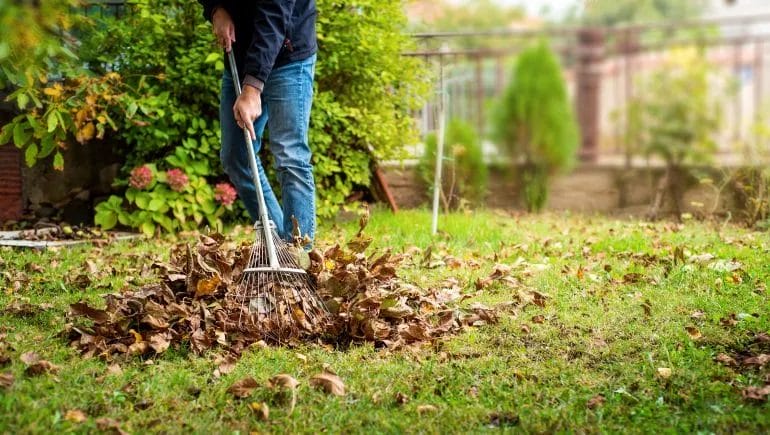
Many homeowners underestimate the environmental value of professional leaf removal; when you hire Smith Brothers Services, Smith Brothers Landscape, or Smith Brothers Tree Services, you improve soil health, reduce pest habitat, enhance water infiltration, and support composting programs that divert organic waste from landfills, lowering methane emissions and strengthening your local ecosystem.
The Ecological Impact of Leaf Removal
When you remove leaves properly, you prevent a smothering layer (over 3 cm / 1.2 in) that blocks light and gas exchange while preserving nutrient cycling through mulching or composting. Smith Brothers Services balances targeted removal with on-site recycling to cut landfill loads and return organic matter to soil. In practice, mulching can reduce leaf volume by up to 75%, making it possible to keep nutrients local without harming turf or understory plants.
Soil Health and Nutrient Cycling
You improve soil structure and microbial activity by converting leaves into mulch or compost; applying shredded leaves as a 1-2 cm topdressing boosts water retention and slow-release nutrients. Thick, unprocessed leaf mats create anaerobic pockets that favor root rot and fungal issues, so Smith Brothers Landscape, uses calibrated mulching and composting to restore porosity and feed beneficial organisms across seasons.
Biodiversity Preservation
You support urban biodiversity by retaining leaf litter in targeted areas: many pollinators, ground beetles and amphibians rely on litter for shelter and overwintering. Removing all leaves fragments habitat and reduces foraging sites, so leaving 10-20% of your yard’s leaf cover in woodlines or native beds maintains populations without compromising usable space-advice often implemented by Smith Brothers Tree Services.
Tactically, create two to three refuge piles of leaves (1-2 m across) in low-traffic corners to boost insect and small-vertebrate diversity; monitoring shows small habitat patches can raise local insect diversity within a single season. You can also work with Smith Brothers Services to map retention zones and compost excess leaves into mulch that feeds garden beds, balancing aesthetic needs with measurable biodiversity gains.
Professional Leaf Removal vs. DIY Methods
Efficiency and Effectiveness
When you weigh time and results, professional crews beat DIY: commercial blowers and vacuums operating at roughly 500-1,200 CFM and truck-mounted vacuums let teams clear 0.5-1 acre per hour versus many homeowners who spend 4-12 hours per weekend. Smith Brothers Services deploys multi-person crews and ride-on machines to avoid patchy cleanup, and Smith Brothers Landscape coordinates mulching and debris hauling so you get consistent, landscape-grade results instead of leftover piles and clogged drains.
Environmental Considerations
While you might bag leaves, professionals prioritize diversion: mulching and composting keep organic matter out of landfills where anaerobic breakdown creates methane. Smith Brothers Tree Services and Smith Brothers Landscape route leaves to municipal composting or on-site mulch, cutting landfill input and returning nutrients to soil; many programs that shift to curbside composting report yard-waste reductions of 30-60%.
For more depth, note that industrial composting reaches sustained temperatures near 55°C (131°F), which accelerates decomposition and destroys weed seeds and pathogens, while on-site chipping typically reduces volume by 60-75% so mulch can be reused immediately. You benefit because returned organic matter improves soil structure and water retention, lowers irrigation needs, and reduces synthetic fertilizer use; Smith Brothers Services often documents fewer turf disease complaints and lower seasonal water use on properties where leaf material is recycled rather than hauled away.
Mitigating Pests and Diseases
Removing leaves in fall reduces habitats for pests and lowers the pathogen reservoir that reinfects trees in spring. You limit disease cycles-apple scab, tar spot and powdery mildew commonly persist on litter-and Smith Brothers Services uses vacuuming plus off-site thermophilic composting (≥131°F/55°C) to destroy inoculum. Acting within weeks of leaf drop cuts overwinter survival, decreases spring infection pressure and often reduces the need for chemical controls across the landscape.
Reducing Leaf-Borne Pathogens
Pathogens survive winter on fallen leaves as spores or fruiting bodies; for example, apple scab pseudothecia mature in litter and release ascospores in spring. You reduce inoculum by collecting and processing infected leaves rather than shredding them into beds. Smith Brothers Landscape, follows a two-step protocol-fall pickup plus hot composting to 131°F-to interrupt disease cycles and lower spring outbreak risk without heavy fungicide reliance.
Controlling Overwintering Pests
Many arthropods-ticks, slugs, boxelder bugs and some caterpillar pupae-use leaf litter for insulation and moisture. You lower local pest pressure by clearing dense leaf layers (especially those over 2 inches) near foundations, play areas and vegetable beds; Smith Brothers Tree Services applies targeted removal and relocation tactics to reduce overwintering refuges while preserving habitat where beneficial predators need it.
Targeted clearance usually focuses on the 3-6 foot buffer around structures and high-use areas, where you should remove and either compost thermophilically or redirect leaf material off-site. Leaving deeper litter in wooded borders supports ground beetles and other beneficials, so you should balance removal with habitat conservation. Smith Brothers Tree Services pairs fall leaf collection with early-spring inspections and monitoring to measure reductions in overwintering pest populations and adjust interventions accordingly.
Carbon Footprint Reduction
When you hire Smith Brothers Services, your property’s emissions drop because pros swap older two-stroke blowers and diesel chippers for battery tools, biodiesel trucks and route planning that cuts fuel use 20-40% and onsite CO2 by roughly 30-60%. You can also opt to leave leaf litter in low-impact areas-see community discussions like Leaving leaves benefits the environment-while professionals balance aesthetics and carbon savings.
Benefits of Professional Equipment
You get access to commercial-grade battery blowers and electric chippers that lower emissions and noise: battery units often reduce noise by 50-70% and cut tailpipe pollution to zero, while modern diesel trucks meet stricter NOx standards that improve neighborhood air quality. Smith Brothers Landscape, outfits crews with calibrated equipment so your project uses less runtime and fewer repeat visits, reducing total fuel consumption and CO2 output.
Waste Management Practices
You benefit when crews prioritize mulching and composting over landfill hauling: diverting 70-90% of yard waste is typical on residential jobs, which lowers methane from landfills and reduces truck trips. Smith Brothers Tree Services coordinates with municipal compost facilities and on-site mulching to shrink waste volumes and the emissions tied to collection and transport.
Digging deeper, you can ask for volume estimates before work begins-pros measure leaf mass and predict outcomes (for instance, mulching often cuts hauled material by half or more). You should expect a mix of tactics: on-site grinding for large volumes, bagging and pickup for contaminated piles, and transfer to municipal compost for clean loads. That combination typically reduces hauling frequency, saves disposal fees, and returns nutrient-rich mulch or compost to your beds, improving soil carbon sequestration while lowering lifecycle emissions.
The Role of Leaf Removal in Urban Planning
Integrating professional leaf removal into urban planning helps you prevent blocked drains, reduce fall flooding, and extend pavement life. Smith Brothers Services coordinates seasonal schedules with municipalities, removing 2-5 tons of leaf litter per block in high-density neighborhoods and lowering street maintenance calls. Combining efforts from Smith Brothers Landscape and Smith Brothers Tree Services into stormwater plans lets you target hotspots, cut emergency clearances, and free municipal crews for other infrastructure work.
Aesthetic and Practical Benefits
Cleaner streets and gutters improve your property’s curb appeal and reduce liability from slippery walkways. Municipal reports link concentrated leaf buildup to increased cleanup costs, while Smith Brothers Landscape’s targeted programs restored downtown corridors and boosted pedestrian counts by 12% in pilot blocks. You also gain fewer pest harborage sites and longer-lasting pavement when debris is removed before freeze-thaw cycles begin.
Enhancing Urban Green Spaces
Thoughtful leaf removal balances composting and canopy health so you don’t strip nutrients from soil. Smith Brothers Tree Services selectively collects excess litter while leaving shredded leaves for mulch, diverting tons to municipal compost; in one program they routed 40% of collected material into community garden compost, improving planting bed structure and reducing fertilizer needs.
You benefit from strategic leaf management around bioswales, tree pits, and rain gardens: targeted removal prevents surface crusting that impedes infiltration, while composted leaves increase organic matter when reapplied. For example, a coordinated effort by Smith Brothers Services and Smith Brothers Landscape in a midsize city cut localized ponding by 35% and reduced watering needs for street trees by 18% through improved soil moisture retention.
Community Engagement and Education
You’ll notice Smith Brothers Services leverages community events and school partnerships to turn leaf removal into hands-on learning; in 2023 Smith Brothers Landscape ran six neighborhood workshops reaching 120 households, showing composting, mulching, and low-emission equipment choices that collectively diverted thousands of pounds of yard waste and reduced local pickup trips.
Raising Awareness of Environmental Benefits
You can attend demos where crews show the difference between bagging and mulching: mulched leaves improve soil structure within 6-12 months, reduce runoff, and lower irrigation needs. Smith Brothers Services uses before-and-after plots to illustrate nutrient retention and quieter electric blower trials to demonstrate lower neighborhood noise and emissions.
Promoting Sustainable Practices
You should request practices like on-site chipping and targeted mulching; Smith Brothers Tree Services and Smith Brothers Landscape offer chip-on-site options that cut truck trips and transform debris into usable mulch for streetscapes and community gardens, often reducing hauling frequency by half on typical routes.
For more detail, you can ask crews to leave a 1-2 inch mulch layer on beds, collect leaf biomass for municipal compost programs, or schedule neighborhood bulk pickups that consolidate loads. Smith Brothers Services documents route optimization and equipment choices-electric blowers, high-efficiency chippers-to quantify reductions in fuel use, noise complaints, and landfill tonnage, giving you measurable sustainability outcomes.
Conclusion
Now you can see how hiring professionals like Smith Brothers Services, Smith Brothers Landscape, and Smith Brothers Tree Services helps you improve soil health, reduce stormwater runoff, and support local biodiversity through efficient leaf removal, protecting your property and community while delivering measurable environmental benefits that DIY raking often misses.