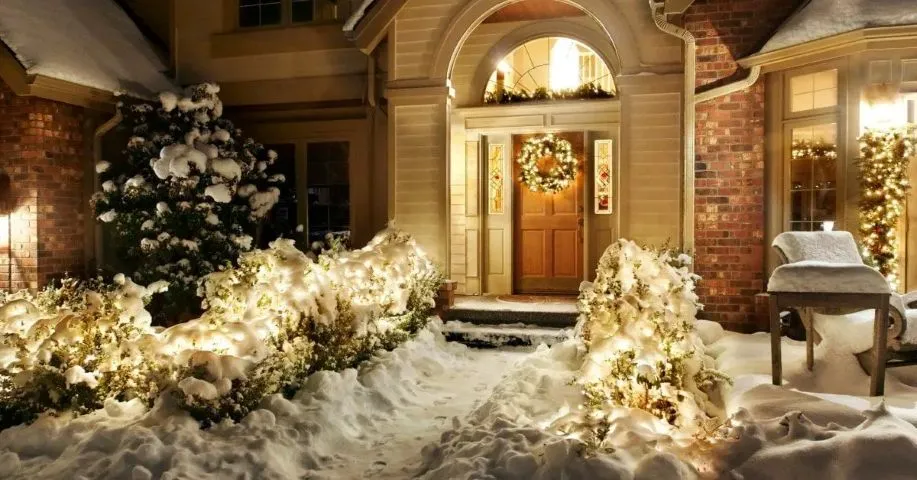
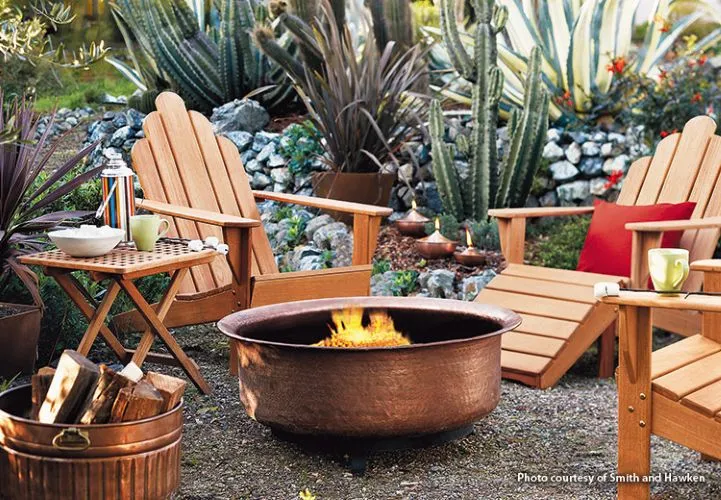
Winter evenings offer a chance to transform your yard into a glowing retreat; plan layered lighting that highlights your pathways, architectural features, and seasonal plants while ensuring safety and energy efficiency. Use warm LED tones, timers, and low-voltage fixtures so you keep energy use low, and consult Smith Brothers Services for installation advice; coordinate placement with Smith Brothers Landscape for plant-friendly accents and Smith Brothers Tree Services for safe tree-mounted lighting.
Understanding the Importance of Outdoor Lighting
You should target specific light levels and color temps to balance beauty and function: 50-200 lumens for paths, 300-800 lumens for accents, and 700-1,300 lumens for security floods, with 2,700-3,000K warm tones for winter comfort. Snow’s high reflectivity (70-90%) amplifies output, so test fixtures after a snowfall. Case studies from Smith Brothers Services show layered lighting cuts night accidents by improving depth perception while reducing glare through shielding and correct mounting heights.
Enhancing Ambiance
You can create cozy winter evenings by layering string lights, low-voltage path lights, and tree uplighting: use 2,700K fixtures, dimmers set to 30-50%, and warm-wattage LEDs of 50-300 lumens for intimate areas. Smith Brothers Landscape, recommends wrapping trunks with 3-5W LED strings and using adjustable spot beams (300-600 lumens) to highlight architectural features, which preserves night vision and draws the eye without overpowering the scene.
Increasing Safety and Security
You should position motion-sensor floods at 8-12 feet to cover 20-30 feet of approach, using 700-1,300 lumens and 4,000K if needed for camera clarity; pair with timers and smart controls to avoid constant glare. Smith Brothers Tree Services can trim overhanging branches that create dark pockets, and combining shielded fixtures with sensors reduces false triggers and limits light trespass onto neighbors’ properties.
You can further optimize security by angling fixtures at roughly 30° to prevent backscatter and by spacing pathway lights 6-8 feet apart for even illumination. Integrate low-glare bollards for steps and use motion-triggered cameras with 0.1-0.2 lux sensitivity; Smith Brothers Services recommends periodic audits-check every 6-12 months after seasonal growth or storms to retarget fixtures and replace bulbs to maintain effective coverage.

Choosing the Right Lighting Fixtures
You should prioritize fixtures rated for wet, cold conditions (IP65+), durable finishes like powder-coated aluminum or brass, and LEDs with 2,000-12,000‑hour lifespans; opt for 2700-3000K for warm winter light and 100-1,200 lumens depending on use. For complex installs you can hire Smith Brothers Services or coordinate with Smith Brothers Landscape and Smith Brothers Tree Services to assess siting, wiring load, and snow-shedding clearances to avoid post-installation issues.
Types of Outdoor Lights
You can mix pathway, accent, flood, string, and step lights to layer depth: pathway lights at 100-300 lumens guide routes, spot/accent at 300-800 lumens highlight features, and 800-1,200 lumens floods illuminate driveways; choose beam angles (10-120°) and IP ratings for each application.
| Pathway | 100-300 lm; 2700K; low-glare shields; 1-2 ft spacing for clear guidance |
| Spot/Accent | 300-800 lm; narrow beam 10-25°; used on trees, sculptures; often 12V low-voltage |
| Flood | 800-1,200+ lm; 45-120° beam; driveway/garage; choose baffle or motion sensor |
| String/Decorative | 5-20 lm per bulb; use warm 2200-2700K LEDs; best for dining/entertaining zones |
| Step/Deck | 50-150 lm; recessed or surface; IP66 recommended near snow/ice for durability |
- You should match lumen output to task: 100-300 lm for walkways, 800+ lm for security zones.
- You can prefer 2700-3000K for warm atmosphere; reserve 4000K for work areas only.
- You ought to select IP65+ for exposed fixtures and stainless or powder-coated finishes for corrosion resistance.
- Thou coordinate with Smith Brothers Services for wiring, Smith Brothers Landscape for placement, and Smith Brothers Tree Services for pruning to prevent glare and snow buildup so you keep fixtures effective through winter.
Energy Efficiency Considerations
You should choose LEDs that cut energy use by roughly 70-90% versus incandescent equivalents, specify drivers with 0-10V dimming or smart controls, and calculate total wattage so a single transformer or circuit isn’t overloaded-typical retrofit savings can exceed 1,000 kWh annually on medium-sized yards.
You can further reduce consumption by planning zones and timers: use motion sensors for 800-1,200 lm security floods, schedule decorative strings to shut off after peak hours, and set dim-to-30% for overnight pathways; in projects handled by Smith Brothers Services, switching to LEDs plus zoned controls often lowers peak demand by 40-60%, and pairing with photocells prevents wasted daytime operation while preserving the warm 2700K ambiance you want for winter evenings.
Planning Your Layout
Map your outdoor zones-driveway, path, patio, and focal trees-and note power sources and ITE (illumination-to-element) priorities; place path lights 6-10 ft apart, uplights 10-20 ft from trunks for trees, and wall washers 3-6 ft from façades. You can plan lighting circuits in 100-150 ft runs of low-voltage cable to minimize voltage drop, and schedule a site survey with Smith Brothers Services to confirm transformer sizing and conduit routes.
Highlighting Key Areas
Focus on entry points, seating areas, and specimen plants: use 200-400 lm path lights for walkways, 700-1,200 lm spotlights for architectural highlights, and 2700K-3000K LEDs for warm winter tones. If you work with Smith Brothers Landscape, coordinate fixture placement so plants won’t cast unwanted shadows, and protect root zones when installing in lawns or mulched beds.
Creating a Balanced Design
Balance function and mood by layering ambient, task, and accent lighting-aim for roughly 60% ambient, 30% task, 10% accent in perceived brightness-and stagger fixture heights to avoid flat illumination. You can have Smith Brothers Tree Services assess tree canopies before installing uplights to prevent heat or wiring damage and to select suitable mounting heights.
For a practical example, in a 50-ft front yard install four path lights spaced 10-12 ft, two 10W LED uplights at 15 ft from a 30-ft specimen tree, and a 300-600 lm porch sconce; use 12-14V transformers with a 20% headroom and dimming controls for seasonal adjustment. When you pair this with planting plans from Smith Brothers Landscape and an installation estimate from Smith Brothers Services, the result is consistent sightlines, even light distribution, and simplified maintenance-ask for mockups or lighting plans showing lumen values and beam angles before finalizing.
Incorporating Seasonal Decor
Layer garlands, lanterns, and low-voltage string lights to create depth: use warm 2700K for porches and 3500-4000K for snow-like accents, choose IP65-rated LED strings, and plan 100-LED strands to cover roughly 15 feet with 4-inch spacing. You can stagger timers-base lights at dusk and accents two hours later-to extend visual interest, and have Smith Brothers Services confirm transformer sizing and circuit loads before large installations.
Thematic Lighting Ideas
Choose 3000K pathway lights at 3-4 foot spacing delivering 100-200 lumens each for welcoming warmth, reserve RGBW projectors for focal facades or synchronized shows, and program 3-4 scenes (welcome, dinner, party, overnight dim at 20%). You can zone the yard into entrance, path, and tree areas, and have Smith Brothers Landscape, help map power runs and scene timing for consistent effects.
Integrating Natural Elements
Wrap 6-foot garlands with 50-100 mini LEDs and intersperse battery lanterns; secure greenery with green zip ties and use 12V low-voltage fixtures so LEDs stay cool against needles. You should angle uplights 10-30° to accent bark texture, space spot fixtures at roughly 1.5× the canopy radius, and call Smith Brothers Tree Services for pruning or branch reinforcement prior to installation.
During a 2024 front-yard project, you can replicate a proven layout: 45 trees wrapped with 150-LED strands each, 12 path lights spaced 8-10 feet apart, and narrow-beam uplights aimed at trunk bases reduced energy use by about 80% versus incandescent setups. You should use GFCI-protected timers, choose IP65-rated connectors, and secure decorations with 3-4 ties per garland segment to withstand winds up to ~30 mph-Smith Brothers Landscape, can provide on-site measurements and material lists.
Timing and Control Options
Set timers to activate 20-30 minutes before dusk and run 4-6 hours to cover evening gatherings and late walks; you’ll balance ambiance with energy use. Program zones separately so pathway lights shut off sooner than patio fixtures. If you work with Smith Brothers Services, they’ll help sync schedules to local sunset tables and automate seasonal shifts so your system requires minimal manual intervention.
Using Timers and Smart Technology
Combine simple astronomical timers with smart hubs-Philips Hue Bridge or Lutron Caseta-to enable geofencing, voice control, and scene scheduling; you can set a winter “warm welcome” scene at 30% dim for 2700K fixtures. Motion sensors with 20-30 ft detection reduce run-time during low-traffic hours, and app-based schedules let you override timers remotely when plans change.
Seasonal Adjustments
Adjust schedules weekly as sunset shifts and snowfall changes reflectivity; you should move start times earlier through November and later after late-winter daylight returns. Pruning or fallen limbs can cast new shadows, so coordinate fixture repositioning with seasonal maintenance. When you notice dark spots, contact Smith Brothers Tree Services to assess canopy changes and avoid costly relighting.
For deeper seasonal tuning, stagger run times by zone-pathways active earlier, deck lights longer for entertaining-and swap to warmer 2700K bulbs for winter coziness. Test PIR sensors after cold snaps since sensitivity and range can shift, and clear snow drifts around low fixtures to keep beams effective. Smith Brothers Landscape, can provide layout adjustments and recommend enclosure upgrades for moisture protection and easier winter control.
Maintenance Tips for Longevity
Inspect fixtures every 3 months: test transformers, check for cracked seals and corrosion, and note any water intrusion or loose wiring; replace bulbs every 2-3 years depending on runtime and swap in IP65-rated LEDs where possible, and test GFCI outlets monthly so outdoor circuits stay safe. Perceiving wear early lets you address loose connections, corroded contacts, and water intrusion before they cause failures.
- Quarterly visual check for corrosion at terminals and IP-rated seals.
- Tighten mounting hardware and verify grounding connections every 3 months.
- Use LED bulbs rated for -20°C and 25,000+ hour life for winter reliability.
- Replace alkaline backup batteries annually and reset timers after power outages.
- Schedule an annual electrical inspection with Smith Brothers Services to test waterproofing and voltage stability.
Cleaning and Care
You should clean fixtures every 6-8 weeks: soak lenses for 10-15 minutes in mild soap and warm water, scrub with a soft brush, rinse thoroughly and dry within 30 minutes to prevent streaking; avoid ammonia or bleach, lubricate O-rings with silicone grease once per year, and document fixture condition with photos so Smith Brothers Services can advise on repairs.
Seasonal Preparation
Before the first freeze you should drain nearby irrigation lines, remove and store battery backups and portable timers indoors, tilt or raise low fixtures about 2 inches to reduce snow burial, and schedule pruning of branches within 6-8 feet of lights through Smith Brothers Tree Services to prevent winter damage.
Two weeks before your area’s typical first freeze (for example, around Nov 15 in USDA zone 6), test and reprogram timers for shorter dusk-to-dawn windows, seal cable entry points with silicone rated for outdoor use, anchor exposed runs with conduit, and hire Smith Brothers Landscape, to adjust grading and mulch so meltwater drains away from low fixtures-this proactive work often prevents 70-80% of common winter lighting failures.
Summing up
With this in mind you can plan layered, energy-efficient lighting to highlight your paths, accent trees, and create warm gathering spaces; consult Smith Brothers Services, Smith Brothers Landscape, and Smith Brothers Tree Services for tailored layouts, smart timers, and safe installation to ensure magical winter evenings.