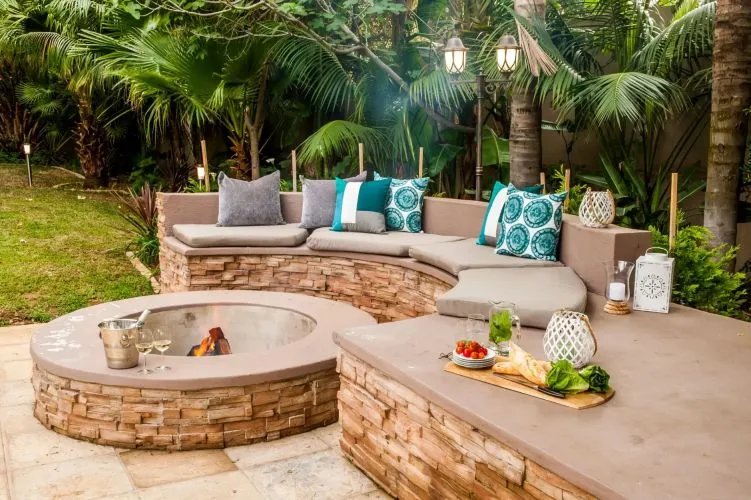
Firepit designs can transform your outdoor space into a cozy, year‑round retreat; you’ll learn material choices, layouts, and maintenance tips to craft a standout focal point. See a sunken seating example 🔥 This Sunken Seating Area Fire Pit Brings This Backyard and consult Smith Brothers Services, Smith Brothers Landscape, or Smith Brothers Tree Services to implement your plan. Visit us during business hours at 28W563 Roosevelt Rd, Winfield, IL 60190.
Call (630) 934-1369 or (630) 917-2060, or email smithbrotherslandscape.com
Benefits of Having a Fire Pit
Your fire pit increases usable outdoor time by up to 4-6 months a year and creates a social focal point; you can opt for wood, propane, or natural gas to match maintenance and local codes. Professionals like Smith Brothers Services, Smith Brothers Landscape, and Smith Brothers Tree Services help with permits, clearances and seating plans for 4-10 guests. For detailed project visuals and layout examples see Unique Fire Pit Designs to Inspire Your Backyard Oasis.
Enhance Outdoor Living Space
You can expand usable square footage by integrating a fire pit into a 200-400 sq ft patio, adding built-in benches, pergolas, and layered lighting. A 36-48 inch pit typically seats 6-8 people comfortably; position it 10 feet from structures and use heat-rated pavers. Smith Brothers Landscape, coordinates circulation and hardscape choices while Smith Brothers Services handles gas hookups, drainage and compliance with local codes.
Create a Cozy Atmosphere
You amplify intimacy by arranging seating 3-4 feet from the flame, adding cushions, throws, and layered lighting-10-30 lux for pathways and 100-150 lux for dining. Using tempered glass wind guards or low stone walls tames wind and reflects heat. Gas pits offer steady flame height for predictable warmth; wood pits add crackle and aromatic smoke that deepen the sensory experience.
You can fine-tune warmth and mood by matching burner size and fuel to your layout: 50,000-120,000 BTU burners typically warm seating areas up to 15 feet, while a 42-inch gas ring with ~80,000 BTU and lava rock heats a ~12-foot radius. Place seating on noncombustible surfaces, maintain a 10-foot clearance from structures, and layer sound-soft water features or discreet speakers-to balance the fire’s crackle with conversation for a complete cozy retreat.
Materials for Fire Pit Construction
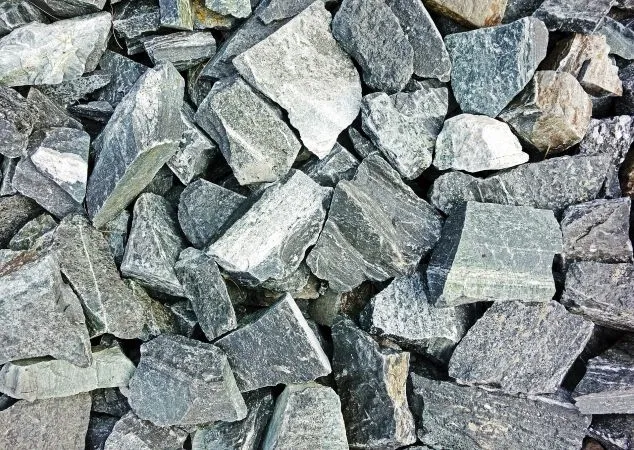
You’ll balance heat retention, lifespan and upkeep when selecting materials: masonry holds heat for 1-3 hours after burning, metal radiates intensely while active, and portable steel bowls cost less upfront. For example, a 36-48 inch masonry ring often lasts 20-50 years; Smith Brothers Landscape recommends matching stone type to existing hardscapes for seamless integration.
Stone and Brick
You can choose firebrick rated to 2,200°F for the inner lining and use granite or bluestone for the exterior to resist spalling; typical firebrick is about 2.5 inches thick. Natural stone offers thermal mass that smooths temperature swings, reclaimed brick creates rustic character, and Smith Brothers Services has installed 36-inch brick rings that retained warmth for hours after the fire.
Steel and Iron
You’ll notice steel and iron heat quickly and give off strong radiant warmth, with common mild-steel bowls using 3/16-1/4 inch thickness-thicker material resists warping and increases lifespan to 5-15 years. Corten steel develops a protective patina in months, stainless costs more but resists corrosion, and Smith Brothers Tree Services advises keeping at least a 10-foot clearance from overhanging trees.
For longevity, consider 1/4 inch corten or 304 stainless for high-use pits: a 30-inch, 1/4-inch corten bowl can last decades with minimal maintenance, while 3/16-inch painted steel may require repainting every 2-5 years. You should specify welded seams, bolt-on bases or integrated gas rings if converting to propane; contractors often add ceramic liners or heat shields to protect surrounding decking and extend service life.
Fire Pit Styles
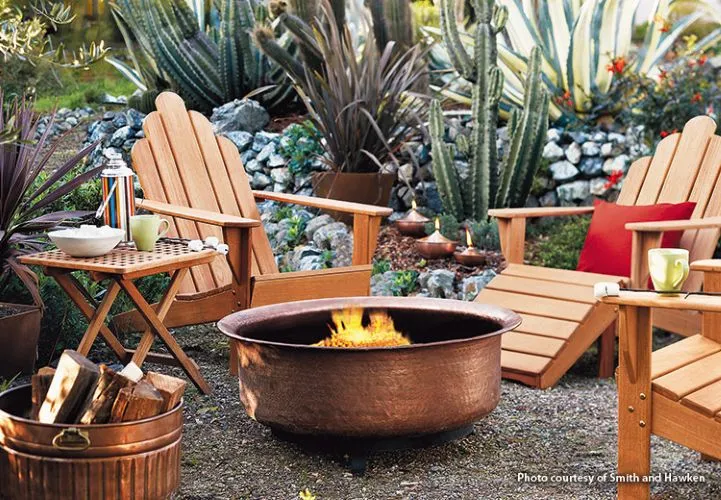
From sunken pits that double as conversation bowls to raised corten-steel rings and classic brick hearths, you can match form to function by choosing materials like cast stone, stainless steel, or concrete; integrated seating walls and gravel beds extend usability, and firms such as Smith Brothers Landscape, can blend a linear gas trough or wood-burning ring into your hardscape for a seamless backyard oasis.
Traditional vs. Modern Designs
Traditional masonry fire pits use brick, fieldstone, or stacked block to create a rustic focal point, while modern designs favor clean lines, polished concrete, and corten steel for a minimalist look; you should weigh maintenance-mortar repairs versus corrosion-resistant finishes-and pick fuel types accordingly, with Smith Brothers Services often recommending wood for ambiance and natural gas for low-maintenance, controllable flames.
Portable vs. Permanent Fire Pits
Portable fire pits range from $50-$600 and let you reposition or store them seasonally, whereas permanent installations typically cost $1,200-$5,000 and require foundation work, gas hookups, or stone fabrication; you’ll appreciate the immediacy and mobility of a bowl-style steel unit, but a fixed ring or built-in fireplace adds property value and long-term durability.
When deciding, consider weight and fuel: portable units often weigh under 100 lbs and run on wood or small propane tanks, while permanent pits involve buried natural gas lines, 1-3 day installations, and can last 20+ years with proper sealing; check local setback rules, plan 3-10 ft clearance from structures and overhead limbs, and consult Smith Brothers Tree Services for canopy assessments and Smith Brothers Landscape, for integration and permitting guidance.
Unique Fire Pit Designs
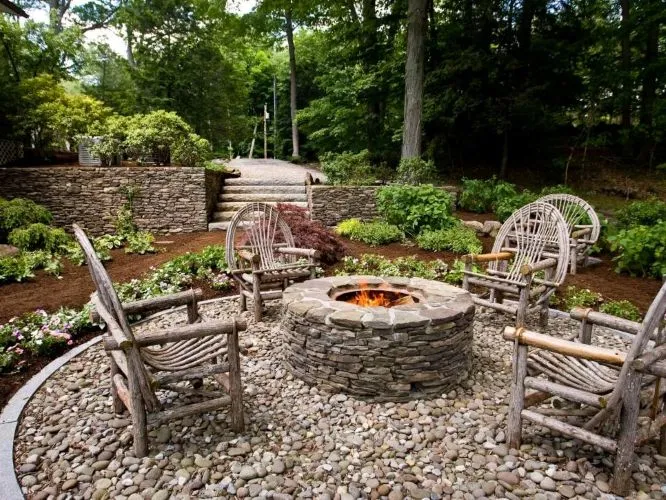
Explore sculptural fire bowls, linear trench pits, and raised corten-steel rings that transform patios into gathering zones; a 5-ft conversation bowl typically seats 6-8, while a 10-ft linear trench anchors larger terraces. You can pair concrete surrounds with tempered glass wind guards or glass media for a modern look; expect $800-$5,000 depending on materials, burners, and gas hookups. Local pros like Smith Brothers Services and Smith Brothers Landscape, handle permits, drainage planning, and timed installations to keep projects on schedule.
Sunken Fire Pits
For intimate evenings, sink a 4-8 ft bowl 12-18 inches below grade to create amphitheater-style seating that encourages conversation; durable options include poured concrete with a gravel sump and a perforated drain, or a precast basalt ring. You should account for ventilation and a gas line if you prefer a clean-burning option, and check root interference-Smith Brothers Tree Services can assess nearby trees and advise on safe clearances.
DIY Fire Pit Ideas
You can build a sturdy DIY pit in a weekend using a steel fire-ring kit, concrete pavers, or stacked cinder blocks; typical costs run $100-$600 and assembly takes 2-6 hours for most homeowners. Start with a compacted 4-inch crushed-stone base, use a level template for a true circle, and verify local setback rules; if you want guidance, Smith Brothers Services offers site consultations and material recommendations.
When tackling DIY, dig 6-8 inches and compact a 4-inch crushed-stone base, then place a steel ring or set pavers with polymeric sand for permanence; a 36-48 inch inner diameter is comfortable for wood fires, while 60 inches suits larger groups. Maintain at least 10 feet from structures and 6 feet from tree canopies, use tempered glass or spark guards for embers, and consider converting to a gas burner later-Smith Brothers Tree Services can inspect canopy risk and Smith Brothers Landscape, can help plan a phased upgrade.
Safety Considerations
Location and Setup
You should place your fire pit at least 10 ft from structures and 25 ft from tree canopies, siting it on noncombustible surfaces like pavers, gravel, or compacted sand. Ensure gas lines follow local code and hire a licensed installer-Smith Brothers Services can certify installations. For example, a 36-inch bowl centered on a 4-foot paver pad limits ember travel; trim branches to 10 ft above the flame line and consult Smith Brothers Tree Services and Smith Brothers Landscape, for site-specific work.
Maintenance Tips
You should empty cooled ashes into a metal container after about 48 hours, inspect firebrick and mortar monthly for hairline cracks, and clean burner ports annually. Perform a soap-and-water leak test on gas fittings every 3-6 months and replace hoses showing wear; use a breathable cover to prevent rust. Schedule an annual professional tune-up with Smith Brothers Services to keep your system operating safely.
- You should empty ash after each heavy-use weekend to prevent buildup and corrosion.
- You should brush ceramic logs and screens weekly during peak season to reduce soot.
- Perceiving any sulfur or rotten-egg odors when the burner lights signals a gas leak-shut off and contact Smith Brothers Services immediately.
During spring and fall you should perform a deep clean: wire-brush the bowl, vacuum ash, wash stone surrounds with mild detergent, and reseal paver joints if needed; check mortar joints for gaps wider than 1/8 inch. Inspect burner orifices for clogging-small blockages change flame color and heat output-and have Smith Brothers Services recalibrate gas pressure if flames burn unevenly. For heavy leaf cover or large overhangs, arrange pruning with Smith Brothers Tree Services.
- You should schedule a professional inspection annually to verify structural integrity and gas safety.
- You should replace packing gaskets and valves every 3-5 years depending on exposure and usage.
- Perceiving a crack wider than 1/8 inch in refractory or persistent soot accumulation calls for immediate repair or replacement to avoid failure.
Accessories to Elevate Your Fire Pit Experience
You can upgrade functionality with a few targeted accessories: a steel cooking grate for s’mores and steaks, a spark screen to reduce embers, a fitted cover to extend lifespan, and a propane conversion kit if you want instant flames; many homeowners add 2-3 side tables and a weatherproof storage box. Smith Brothers Services often supplies premium covers and grates and can install a propane line for safe, code-compliant operation.
Seating Options
You’ll choose between built-in curved benches that seat 6-8 people, classic Adirondack chairs set 3 feet (0.9 m) back for safety, or modular outdoor sectionals for lounging; opt for quick-dry, UV-resistant cushions and 18-24 inch seat heights for comfort. Smith Brothers Landscape frequently recommends matching bench material to the fire pit surround for cohesion and durability.
Surrounding Décor
You might frame the pit with low-voltage LED path lights spaced every 6-8 feet, a 2-4 inch gravel ring for drainage, and contrasting pavers for a 3-4 foot traffic zone; add metal planters or corten-steel screens for texture. For tree pruning, consult Smith Brothers Tree Services to keep canopies clear of smoke and sparks.
You can plant heat-tolerant species like lavender, ornamental grasses, sedum, or yucca 6-10 feet from the pit and use noncombustible mulch-pea gravel or decomposed granite at 2-3 inches-rather than wood chips. If mature trees are within 10-15 feet, hire Smith Brothers Tree Services to trim lower branches and Smith Brothers Landscape to design fire-safe beds that still feel lush and intentional.
Final Words
From above, you can select a fire pit that transforms your yard into an inviting retreat while balancing form and function; consult Smith Brothers Services, Smith Brothers Landscape, and Smith Brothers Tree Services for expert planning, material selection, and arbor-friendly placement so your design enhances safety, sustainability, and style, ensuring your outdoor gatherings are comfortable, low-maintenance, and uniquely reflective of your vision. Visit us during business hours at 28W563 Roosevelt Rd, Winfield, IL 60190.
Call (630) 934-1369 or (630) 917-2060, or email smithbrotherslandscape.com